
Ozana Gherman
Amiskwacîwâskahikan, Treaty 6 Territory
(Edmonton, Alberta)
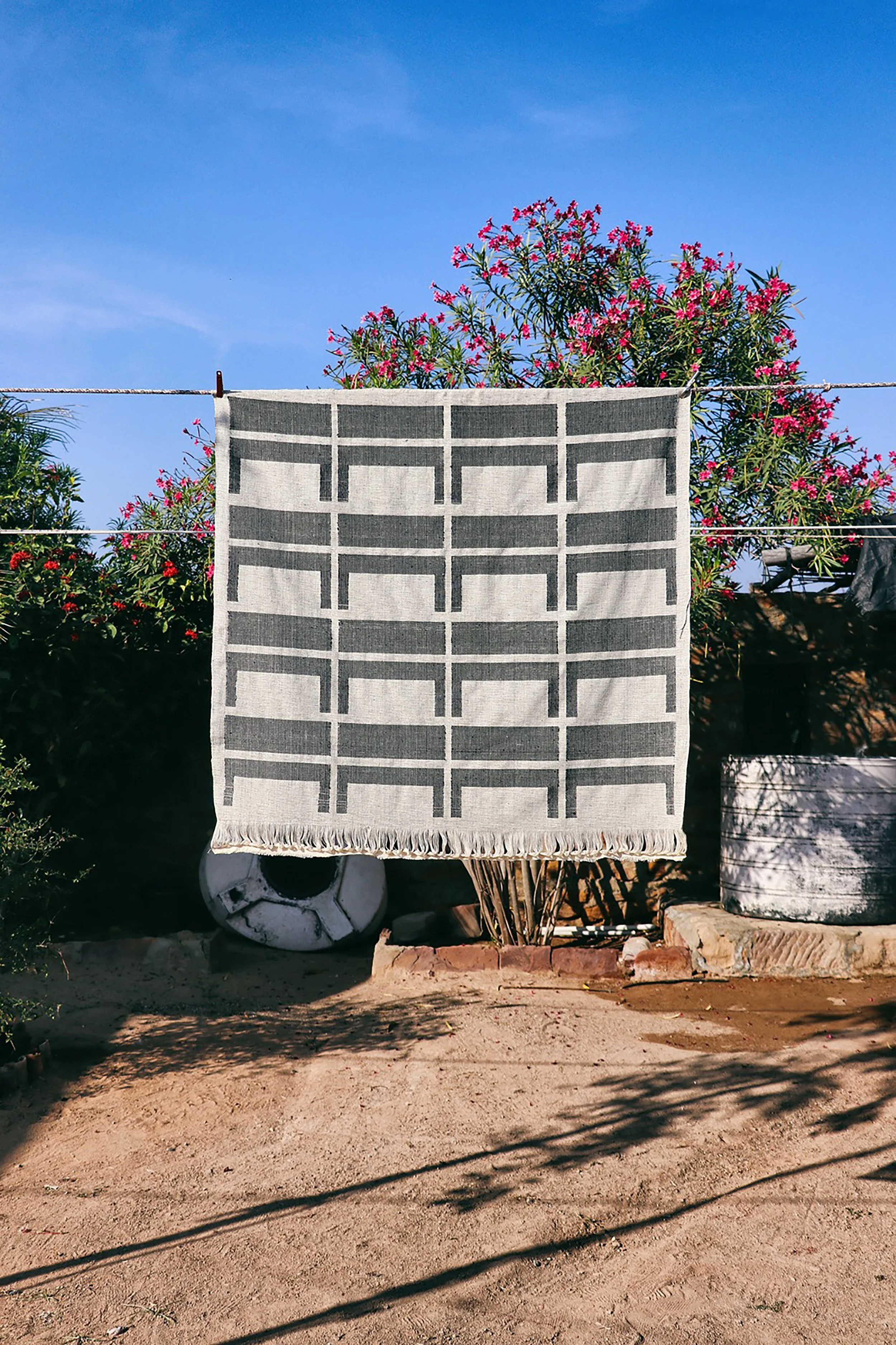
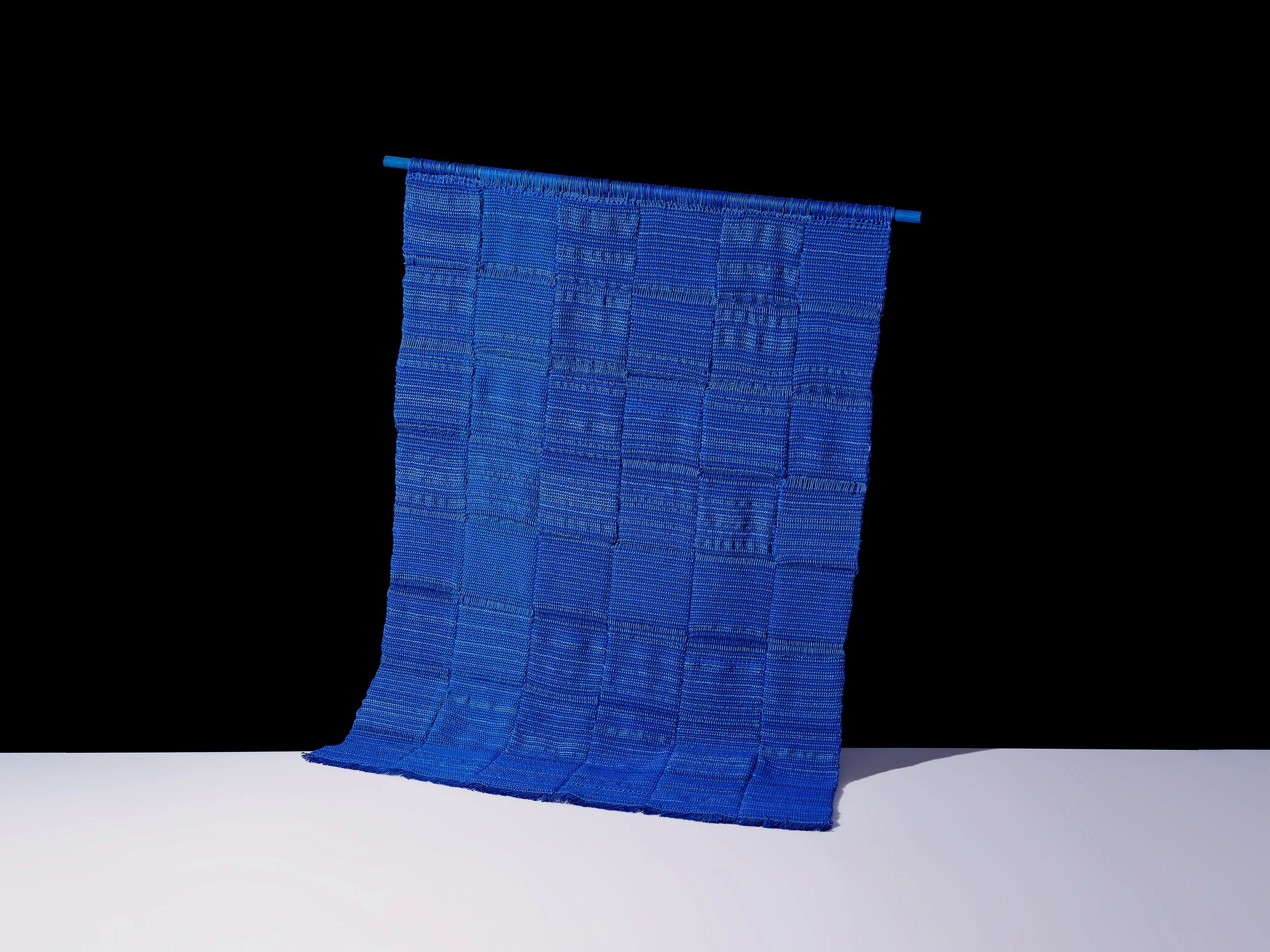
Ozana Gherman, FRAGMENT 54-01, 2020. Woven organic cotton, 91.5 x 96.5 cm. COURTESY OF THE ARTIST.
Studio: How would you describe your approach to your medium? What made you choose it?
Ozana Gherman: Growing up, I was always around textiles. In Romania, where I was born, they're used around the home and in dress for special occasions. In my family, the women crocheted intricate houseware textiles like tablecloths or runners that were passed down through the family. In university at OCADU, I connected with the medium instantly. The repetitive motion of setting up a warp and the sequence of throwing the weft back and forth can be quite meditative—it brings me mental clarity and calm.
Through a combined practice of handmade craft, sculpture and architecture, my work explores the interface of interior and exterior spaces. In particular, I am interested in how architecture is related to soft materials, using tapestry weaving techniques and other labour-intensive textile processes to create forms in an attempt to inform the built environment.
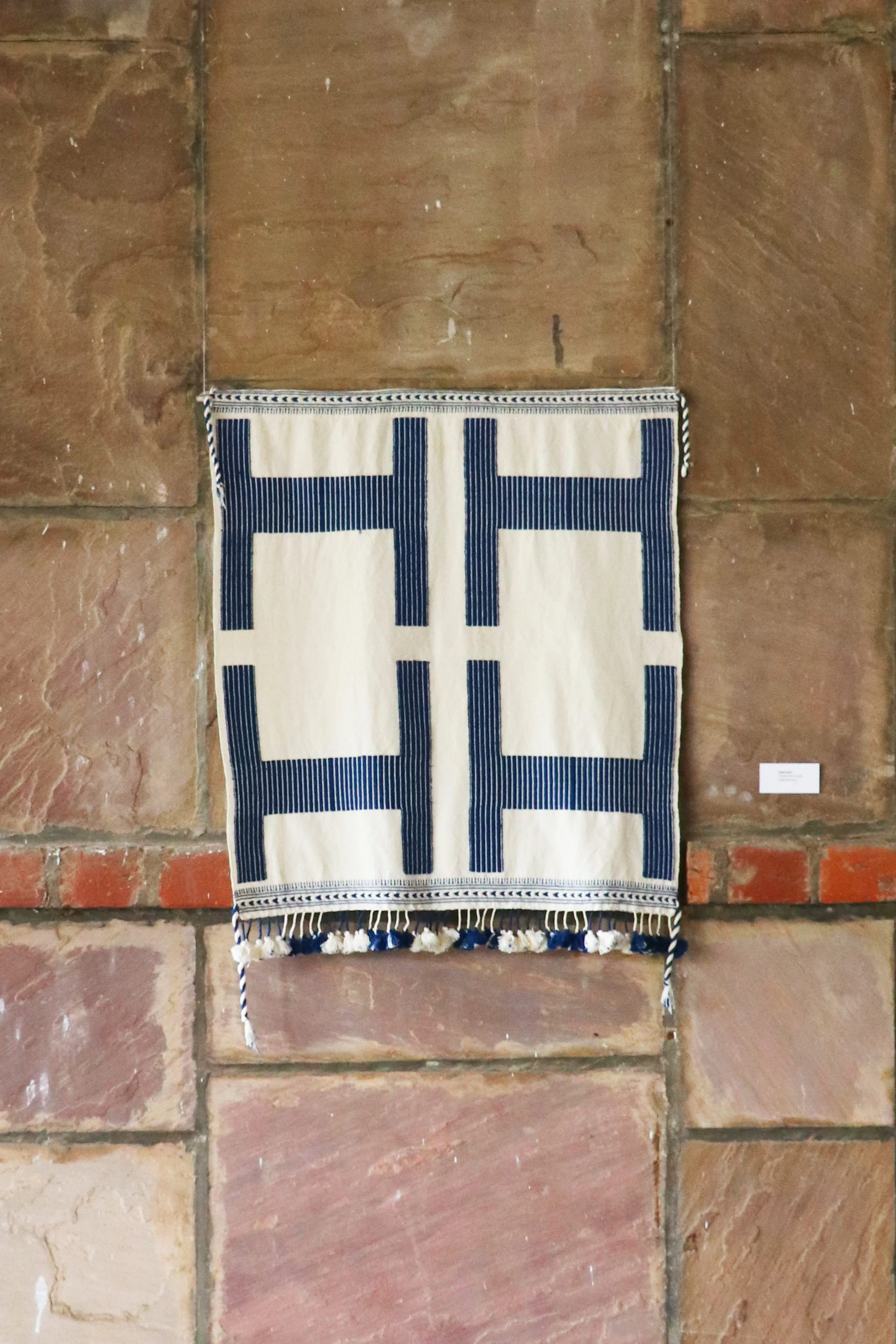
Ozana Gherman, Percept 57-02, 2020. Woven organic cotton, 71.1 x 61.0 cm. COURTESY OF THE ARTIST.
S: How would you describe yourself, personally and professionally?
OG: My personality has always bordered an intense seriousness with an underlying lightness and humour. I bring this level of intensity both in my professional and personal life, navigating hard topics through multiple ways. This duality provides me pathways of seeing in both personal and professional ways of life. In particular, in my professional life, my personality helps me to look at deep concepts through an exploratory lens, opening opportunities in my work and how I interpret that work.
Ozana Gherman, Dimension Stone, 2022. Cotton, wool and card, 112 x 79 cm. COURTESY OF THE ARTIST.
S: What inspires you?
OG: My influences typically come from architecture and place. Whether it’s contemporary art or architecture, historical symbols, cultural references, or local materiality, the power of place is a strong influence.
For me, weaving and architecture are interlinked—they are an evolution of one another. The methodical practice of weaving has led to a sense of restraint in my architectural work. Like architecture, weavings are pre-planned—I map out my concept and then plan the execution. Weaving has sharpened my decision-making skills and heightened my foresight.
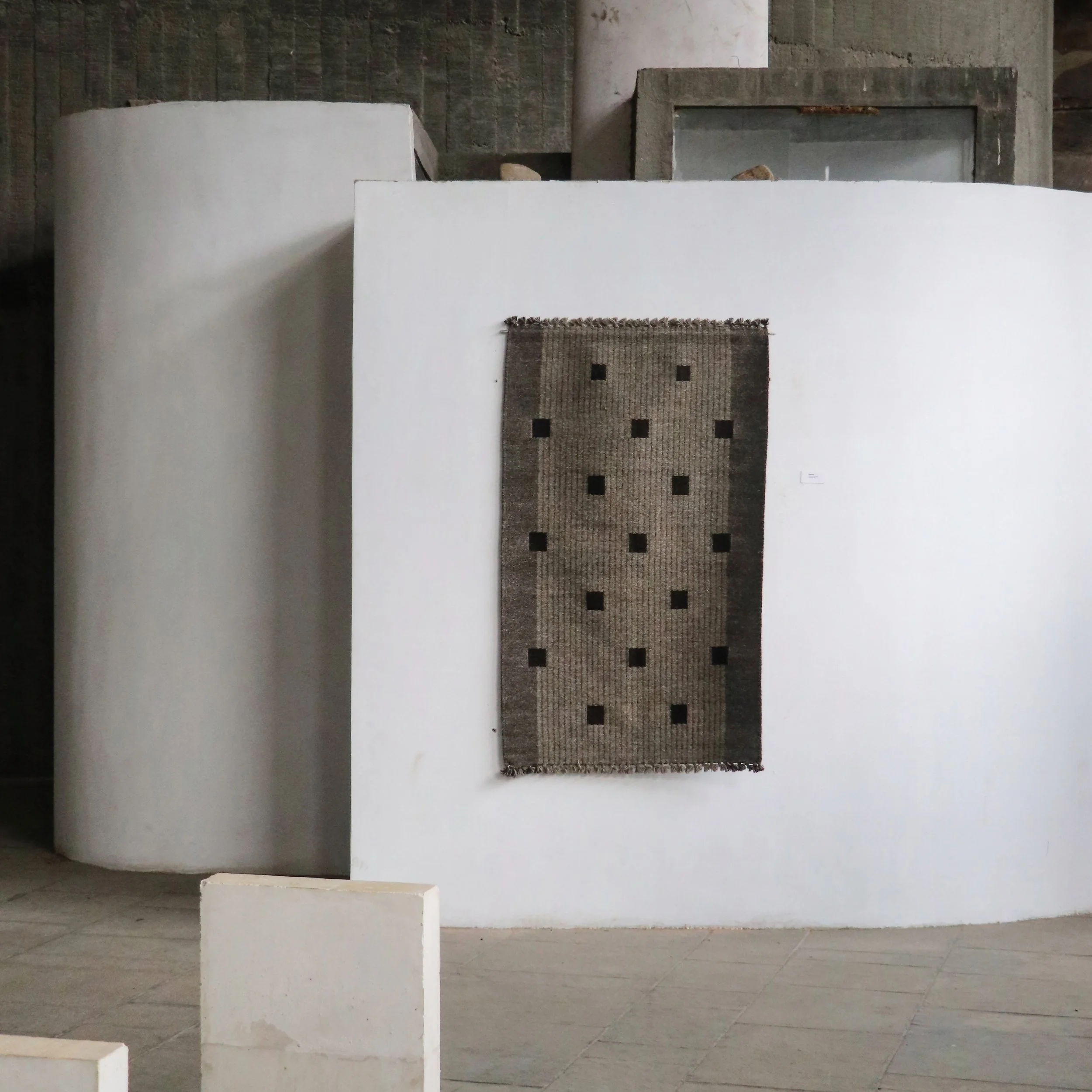
Ozana Gherman, Protrusion, 2020. Wool, cotton twine, 138 cm x 82 cm. COURTESY OF THE ARTIST.
S: What do you see as your contribution to the field of your craft?
OG: In the field of textiles, I strive to contribute to the dialogue of contemporary weaving. My work explores the intersection of art, craft, and architecture. As both a practicing textile artist and architect, I straddle between scale and materiality. In the future, I see my work growing larger and further solidify space in contemporary weaving.
Additionally, textiles have long been a connective thread between my personal heritage and my creative practice. Coming from Romania, growing up around crocheting and weaving along with my formal studies in textiles at OCADU, this background exposed me to different ways of making. These experiences reinforce my passion for the field of textiles, striving to spread my appreciation for the craft to a broader audience and continue to build on my practice.
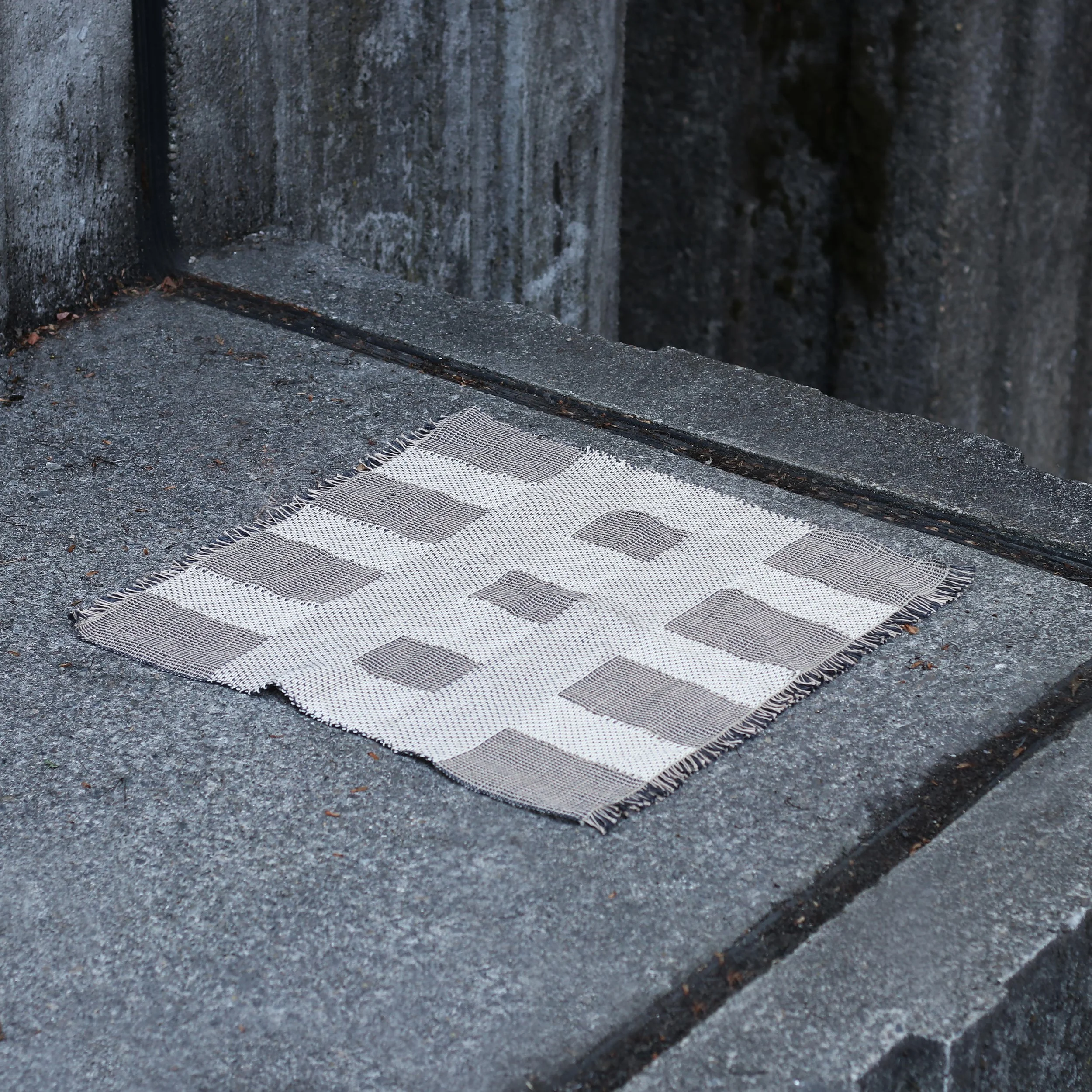
Ozana Gherman, Spatial Overlap, 2023. Seine cotton twine and natural linen, 63.5 x 71.5 cm. COURTESY OF THE ARTIST.
S: What wisdom do you want to impart to younger makers?
OG: There is a subtlety and quietness in my work that I hope people find. Often, I layer in abstract, conceptual meanings alongside the textual depth of the weaving structure. I hope people spend time with my work and uncover their own interpretations.
Ozana Gherman
instagram: @ozanagherman
website: ozanagherman.com
This article was published in the Spring/Summer 2026 issue of Studio Magazine.